When selecting ceiling materials for commercial or public buildings, acoustic performance, durability, and cost are key factors. Among the most commonly used options are rock wool ceiling tiles, PVC ceiling panels, and gypsum ceiling boards.
Each material has its own strengths and limitations. Understanding their differences can help architects, contractors, and project owners make the right choice.
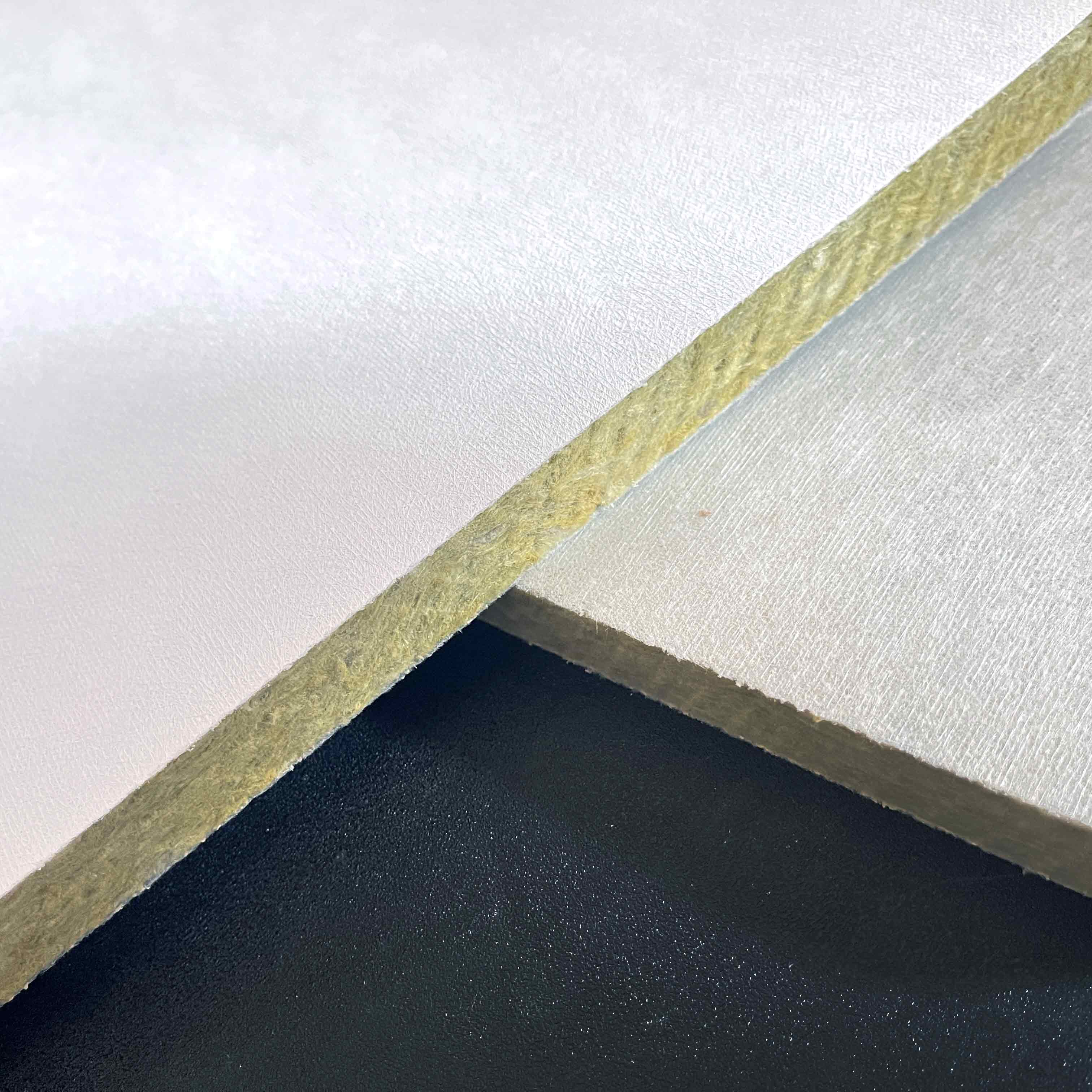 1. Acoustic Performance
Acoustic performance is one of the most critical factors, especially in offices, hospitals, and large public spaces.
- Rock Wool Ceiling Tiles:
Offer excellent sound absorption (NRC 0.7–1.0), effectively reducing echo and noise
- PVC Ceiling Panels:
Limited acoustic performance, mainly reflective rather than absorptive
- Gypsum Ceiling Boards:
Moderate acoustic performance, often requires perforation or additional insulation
👉 Best choice for acoustics: Rock Wool
2. Fire Resistance
Fire safety is essential for commercial buildings and public infrastructure.
- Rock Wool:
Non-combustible, high fire resistance (Class A)
- PVC:
Combustible material, may release harmful gases when burned
- Gypsum:
Good fire resistance due to its core composition, but not as strong as rock wool
👉 Best choice for fire safety: Rock Wool
3. Moisture Resistance
Humidity and moisture can affect ceiling performance and lifespan.
- Rock Wool:
Good moisture resistance with proper surface treatment
- PVC:
Excellent moisture resistance, ideal for wet areas
- Gypsum:
Sensitive to moisture unless specially treated
👉 Best choice for humid environments: PVC
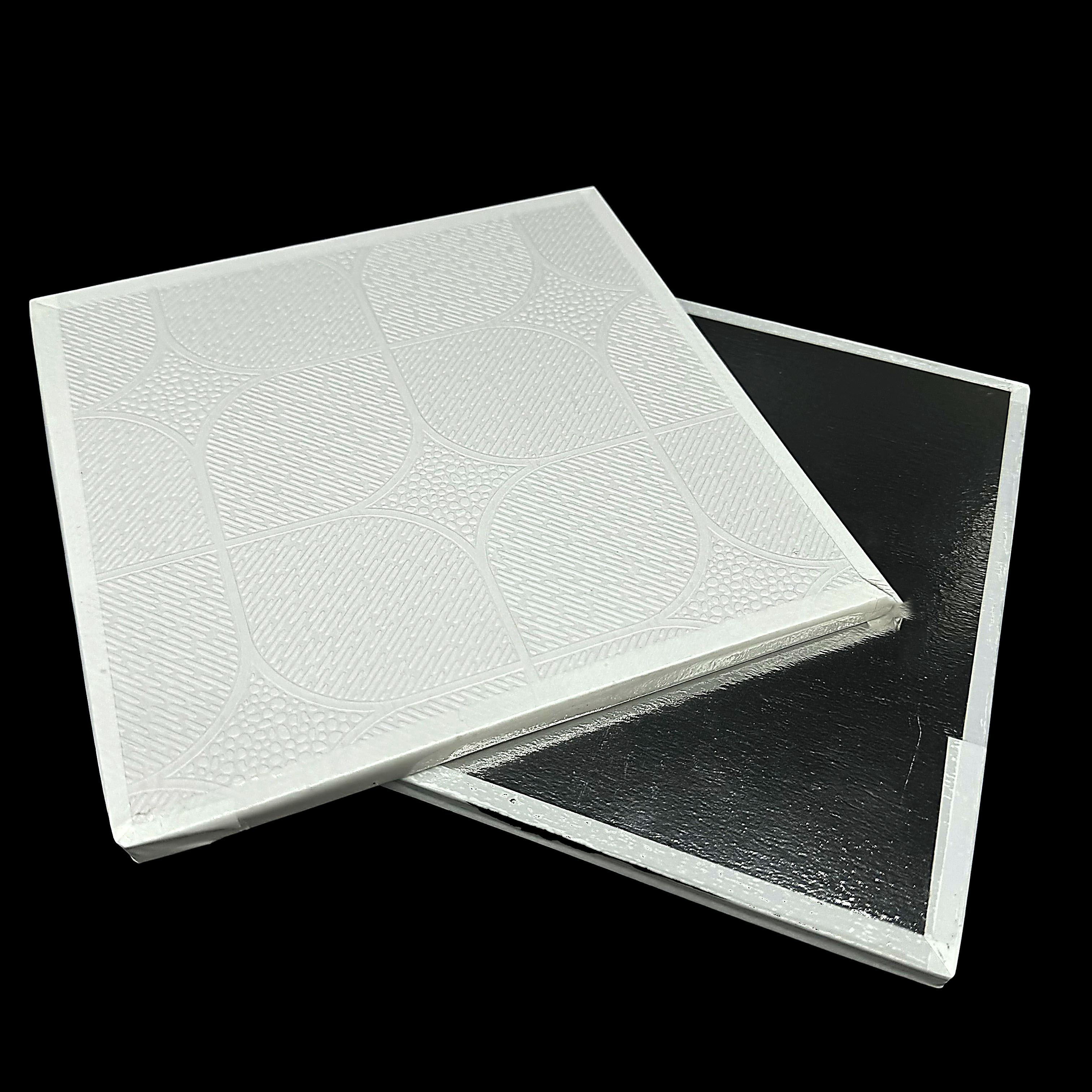 4. Durability and Lifespan
Long-term performance is crucial for large-scale projects.
- Rock Wool:
Stable structure, resistant to deformation, long lifespan
- PVC:
Durable but may discolor or deform over time
- Gypsum:
Can crack or sag if exposed to moisture or poor installation
👉 Best overall durability: Rock Wool
5. Installation and System Compatibility
Ease of installation affects project timelines and labor costs.
- Rock Wool:
Compatible with suspended ceiling systems (T-grid), easy to install and replace
- PVC:
Lightweight and easy to install, often used in simple ceiling systems
- Gypsum:
Requires framing, joint treatment, and finishing, more labor-intensive
👉 Easiest installation: PVC
👉 Best for large systems: Rock Wool
6. Cost Considerations
Budget plays a key role in material selection.
- Rock Wool:
Mid-range cost with high performance
- PVC:
Generally low cost
- Gypsum:
Cost varies depending on finishing requirements
👉 Lowest cost: PVC
👉 Best value for performance: Rock Wool
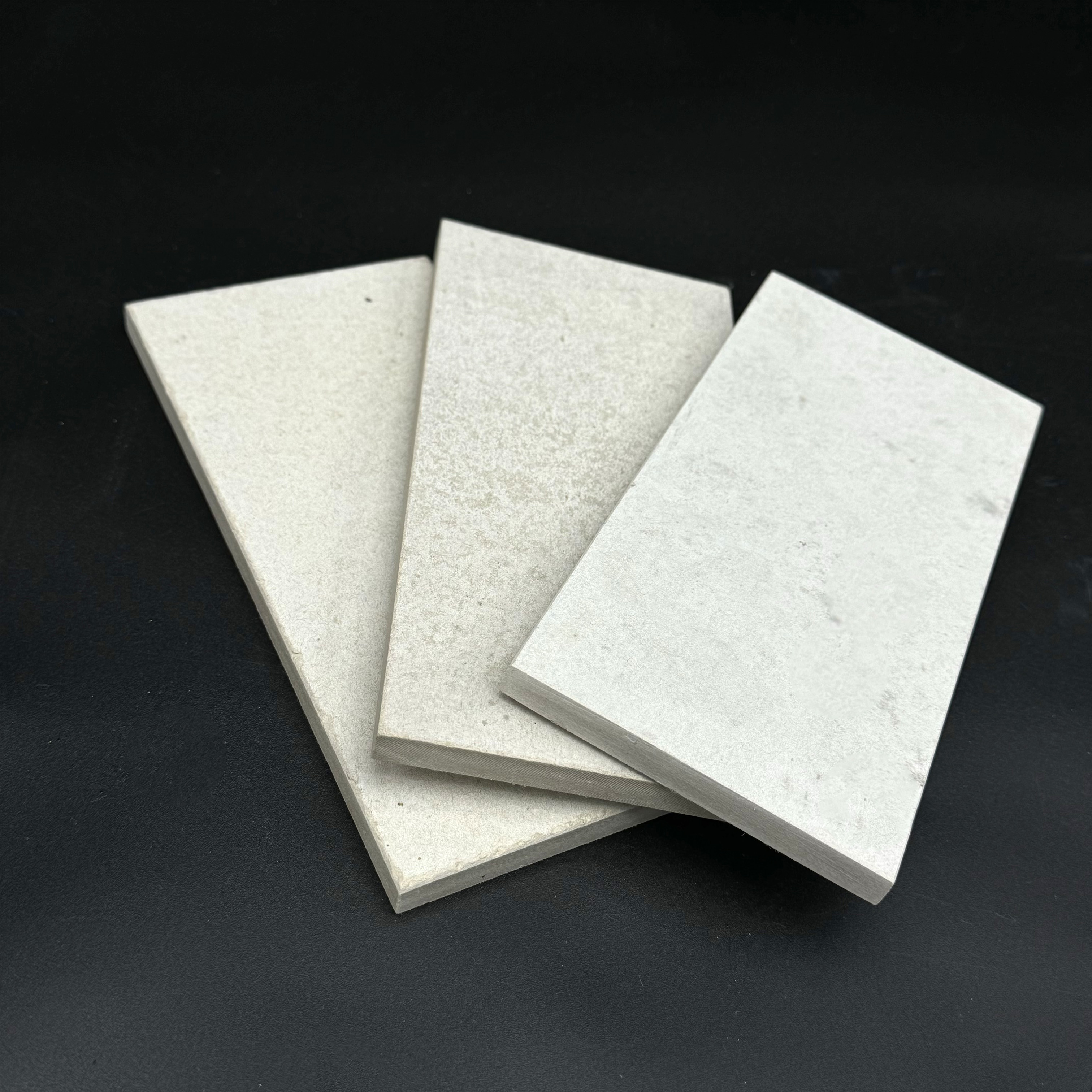 7. Application Scenarios
Each material is suited for different environments:
- Rock Wool Ceiling Tiles:
Offices, hospitals, airports, schools, commercial buildings
- PVC Ceiling Panels:
Bathrooms, kitchens, small commercial spaces
- Gypsum Ceiling Boards:
Residential ceilings, decorative designs, partitions
Comparison Table
| Feature |
Rock Wool |
PVC |
Gypsum |
| Acoustic Performance |
⭐⭐⭐⭐⭐ |
⭐ |
⭐⭐⭐ |
| Fire Resistance |
⭐⭐⭐⭐⭐ |
⭐ |
⭐⭐⭐⭐ |
| Moisture Resistance |
⭐⭐⭐⭐ |
⭐⭐⭐⭐⭐ |
⭐⭐ |
| Durability |
⭐⭐⭐⭐⭐ |
⭐⭐⭐ |
⭐⭐⭐ |
| Installation |
⭐⭐⭐⭐ |
⭐⭐⭐⭐⭐ |
⭐⭐ |
| Cost |
⭐⭐⭐ |
⭐⭐⭐⭐⭐ |
⭐⭐⭐ |
Conclusion
Choosing the right ceiling material depends on your project requirements.
- For acoustic performance and fire safety: Rock wool ceiling tiles are the best choice
- For moisture resistance and low cost: PVC panels are suitable
- For design flexibility: Gypsum boards can be considered
For large commercial and public buildings, rock wool ceiling tiles provide the best balance of performance, safety, and long-term value.

 1. Acoustic Performance
 4. Durability and Lifespan
 7. Application Scenarios


